 |
| Caitlin's wedding, 2005 Both her late father and I walked her down the aisle. |
What a shock. We were married 17 years: 1976 - 1993!
Patrick Timothy Martin
April 21, 1950 - February 4, 2014
Normally, only the family gathers at the funeral home, and the casket is closed, then the family goes to the Celebration of Life.
Of course there were years of discord, as my first husband and I navigated our way from me being a young university student (age 18), when we were married (1976) and moving to Ottawa (1981). I was going out to work as a teacher (I graduated pregnant as he wanted kids, being 6 years older than I), and then separating (1993), and divorcing a couple of years later. I simply couldn't live with him. The Right Fight, as Dr. Phil calls it, was too much for me. In a marriage you do not need to be right, you need not correct your father-in-law (my late Dad, who had low self esteem, depressive traits, and a gr. 10 education).
Without any closure, and many memories of conflict, how do you move beyond that? I found that by concentrating on the grandkids at any parties (hatching, matching or dispatchings), I could get through it.
I was alone with his body for about 20 minutes before the family arrived. I made my peace, remembered the good times, gently chastised him for not accepting counselling the 3 times I'd asked. Assured him that her children were going to look after his 2nd wife, Sharon. She is not well. I told him we have fine children and grandchildren. What's done is done. We did the best we could at the time.
As with my daughter's wedding, there were in-laws, and what my late mom called out-laws! My ex-husband's wife's adult children and grandchild.
The time we spent preparing to go to the church for the funeral service was interesting. The casket was still open, and Isabel (3 yrs. old) asked every 5 minutes or so, to go over and look at her late grandfather's body. I've done much reading and writing on sharing grief with children.
I told her she could remember Grampa Pat by looking at the photos they had. There was one photo of him, in drag, for a Hallowe'en party. It was 1981, and I was doing my B.Ed. at OttawaU. I was one of the oldest class members. I had to explain the photo to Bradley, Sharon's son. Several of our husbands all decided to go as women to the Hallowe'en party. It was funny and fun! A good memory.
I lifted Isabelle up and we talked about her grampa as we gazed on his lifeless form. We agreed we were sad he was dead. She was kind to tell me.
"He not sleeping." she assured me.
I said she could remember her grampa in her mind.
"No, Gramma. In my brain!" she retorted!
Suggesting her Grampa had a new body, and new home, and was with his mommy and daddy, that stumped her. I said he was in heaven with the angels and she could talk to him, if she wanted, and tell him she remembered him. He would like that. (She cannot process the concept of a great-grandparent.) She was OK with the notion that he was with the angels.
"We not see them. They're invisible!" she explained wisely.
"What else can't we see?" asked Papa.
"Your breath."
"Air."
The minister came in and suggested we could say our last goodbyes before they closed the casket. Isabelle, on my hip, watched everyone carefully. He step-grandmother went to the casket, we happened to be standing behind Sharon.
"Gramma," she queried, "why they not say goodbye?" She expected to hear them say those words, but people were murmuring. She didn't like that! Kids need to see, hear and understand what we do. This is part of grief, mourning and bereavement. We model it for them, show them the cultural traditions, which gives them a framework. I carried her over and she said "Goodbye, Grampa Pat!"
Everyone got their coats on. Isabelle told me I should come with her and sit in the back seat of their mini-van. I told her I had to drive my car!
"You can drive beside us, Gramma!"
"That might not be safe, Isabelle!" She seemed to need me with her for some reason. It was heart warming.
We drove in the funeral cortege over to the church. I was last in line. There were impatient drivers behind us, veering in and out, looking to see if they could pass these slow drivers. Argh.
We drove past the house where my kids had had swimming lessons, across from the feed and grain store. Then we turned the corner, passing the development where Pat and Sharon had lived. Up, farther north, where Mrs. Eastman's farm was. She taught Jesse kindergarten. She was there at the church, helping with the food served after the funeral. The old Carsonby building was next, where the kids had participated in community pageants. Finally, we arrived at the church.
Being the 1st wife at a funeral means I'm persona non grata. It's bizarre and surreal not to be mentioned at all! I watched the 1st Mrs. Mandela greeting the 2nd Mrs. Mandela at his funeral. In my mind, I held to that standard. Dignity and class, they had in the public eye.
in Frye's obituary, 5 November 2004:[2]
I was alone with his body for about 20 minutes before the family arrived. I made my peace, remembered the good times, gently chastised him for not accepting counselling the 3 times I'd asked. Assured him that her children were going to look after his 2nd wife, Sharon. She is not well. I told him we have fine children and grandchildren. What's done is done. We did the best we could at the time.
 |
| My late father and mother , our family in 1991 at the church were the funeral was held |
As with my daughter's wedding, there were in-laws, and what my late mom called out-laws! My ex-husband's wife's adult children and grandchild.
The time we spent preparing to go to the church for the funeral service was interesting. The casket was still open, and Isabel (3 yrs. old) asked every 5 minutes or so, to go over and look at her late grandfather's body. I've done much reading and writing on sharing grief with children.
I told her she could remember Grampa Pat by looking at the photos they had. There was one photo of him, in drag, for a Hallowe'en party. It was 1981, and I was doing my B.Ed. at OttawaU. I was one of the oldest class members. I had to explain the photo to Bradley, Sharon's son. Several of our husbands all decided to go as women to the Hallowe'en party. It was funny and fun! A good memory.
I lifted Isabelle up and we talked about her grampa as we gazed on his lifeless form. We agreed we were sad he was dead. She was kind to tell me.
 |
| My daughter talks to Josephine. Her aunts look on. |
I said she could remember her grampa in her mind.
"No, Gramma. In my brain!" she retorted!
Suggesting her Grampa had a new body, and new home, and was with his mommy and daddy, that stumped her. I said he was in heaven with the angels and she could talk to him, if she wanted, and tell him she remembered him. He would like that. (She cannot process the concept of a great-grandparent.) She was OK with the notion that he was with the angels.
"We not see them. They're invisible!" she explained wisely.
"What else can't we see?" asked Papa.
"Your breath."
"Air."
The minister came in and suggested we could say our last goodbyes before they closed the casket. Isabelle, on my hip, watched everyone carefully. He step-grandmother went to the casket, we happened to be standing behind Sharon.
"Gramma," she queried, "why they not say goodbye?" She expected to hear them say those words, but people were murmuring. She didn't like that! Kids need to see, hear and understand what we do. This is part of grief, mourning and bereavement. We model it for them, show them the cultural traditions, which gives them a framework. I carried her over and she said "Goodbye, Grampa Pat!"
Everyone got their coats on. Isabelle told me I should come with her and sit in the back seat of their mini-van. I told her I had to drive my car!
 |
| This is the church our family attended. This is where Pat's funeral was held, since he and his wife were members there. |
"That might not be safe, Isabelle!" She seemed to need me with her for some reason. It was heart warming.
We drove in the funeral cortege over to the church. I was last in line. There were impatient drivers behind us, veering in and out, looking to see if they could pass these slow drivers. Argh.
We drove past the house where my kids had had swimming lessons, across from the feed and grain store. Then we turned the corner, passing the development where Pat and Sharon had lived. Up, farther north, where Mrs. Eastman's farm was. She taught Jesse kindergarten. She was there at the church, helping with the food served after the funeral. The old Carsonby building was next, where the kids had participated in community pageants. Finally, we arrived at the church.
Being the 1st wife at a funeral means I'm persona non grata. It's bizarre and surreal not to be mentioned at all! I watched the 1st Mrs. Mandela greeting the 2nd Mrs. Mandela at his funeral. In my mind, I held to that standard. Dignity and class, they had in the public eye.
 |
| Isabelle at her great-grandparents gravestone. Isabelle was fascinated with the site. "Gone but not forgotten, at rest in their beloved Muskoka" |
The funeral service was lovely. Many tears, good remembrances. Our granddaughters, and Pat's step-granddaughter, all lit candles. We sang hymns, heard scripture. We heard comforting words and the message that all is love.
My eldest son read a eulogy, with his fine acting voice, and sang a song. I totally forget what it was.
I had scarfed some tissues from the funeral home. My son-in-law, beside me, grabbed one. Josephine, at this point, was reaching up to hug her mom. She and Caitlin wept together. SIL handed a tissue to Josephine. Josephine noticed her uncle was quietly weeping and scootched over to him, past her great-aunt (Pat's sister) and gave her tissue to her uncle.
It was a poignant moment.
My youngest son was not at a loss for words. I like to think he found his love of literature through me! They all have musicality from both their parents. With his fabulous bass voice, he recited a poem, from memory. Of course, there was much weeping!
Do Not Stand at my Grave and Weep
- Do not stand at my grave and weep,
- I am not there; I do not sleep.
- I am a thousand winds that blow,
- I am the diamond glints on snow,
- I am the sunlight on ripened grain,
- I am the gentle autumn rain.
- When you awaken in the morning’s hush
- I am the swift uplifting rush
- Of quiet birds in circled flight.
- I am the soft stars that shine at night.
- Do not stand at my grave and cry,
- I am not there; I did not die.
 |
| There were smiles and happy memories visiting my parent's gravesite (Aug. 2011) Isabelle and Josephine couldn't understand that MY parents were buried here. |
 |
| Isabelle concentrates, as I try a selfie with my heavy camera! |
 |
| We checked the first image, I told her to smile! She did! Here we were bonding at the funeral home prior to the service. |
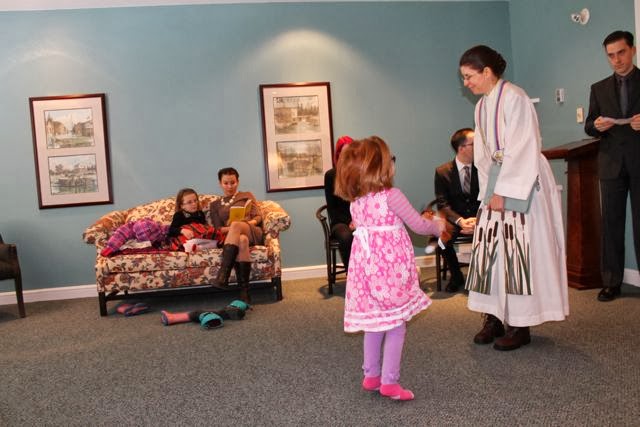 |
| The minister explained that Josephine & Isabelle were going to light a candle in memory of her Grampa Pat. |


